Are Silicone Pans Good for Baking Cakes? Pros, Cons, and Expert Tips
Pros of Silicone Cake Pans
1. Non-Stick Performance
Silicone’s naturally non-porous surface prevents cakes from sticking, eliminating the need for greasing or parchment paper. This is especially helpful for intricate cake molds (like bundt pans) where residue can ruin delicate designs.
2. Flexible and Easy Release
Unlike rigid metal pans, silicone bends effortlessly. Once cooled, you can push the pan from the bottom to pop the cake out intact—no knife-wrestling required.
3. Even Heat Distribution
High-quality silicone distributes heat evenly, reducing the risk of burnt edges or undercooked centers. This is ideal for sensitive recipes like sponge cakes or chiffon.
4. Dishwasher-Safe and Durable
Silicone is easy to clean and withstands temperatures from -40°F to 450°F (-40°C to 232°C), making it freezer- and oven-safe.
5. Space-Saving Design
Collapsible silicone pans stack neatly, freeing up cabinet space—a perk for small kitchens.
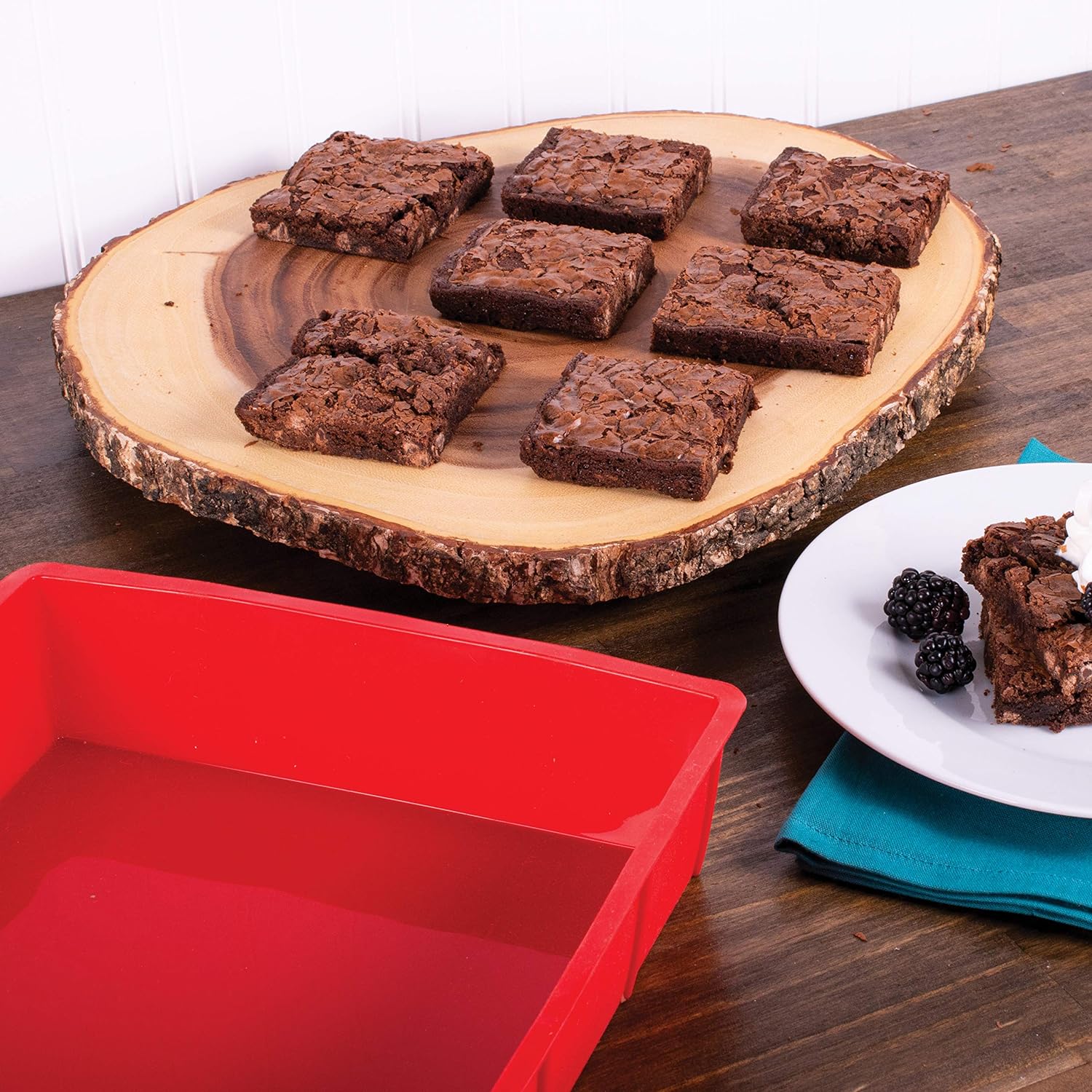
Cons of Silicone Cake Pans
1. Lack of Structure
Silicone’s flexibility can be a downside. Pouring batter into floppy pans requires extra care to avoid spills. Always place silicone pans on a baking sheet for stability.
2. Browning Limitations
Silicone doesn’t conduct heat as efficiently as metal, so cakes may bake slightly slower and develop less golden-brown crusts. For caramelization, stick to metal pans.
3. Durability Concerns
Low-quality silicone may warp or discolor over time. Avoid cheap, thin options and opt for FDA-approved, food-grade silicone.
4. Not Ideal for Crispy Textures
If your cake recipe relies on a crispy exterior (e.g., pound cake), metal pans yield better results.
5 Tips for Baking Cakes in Silicone Pans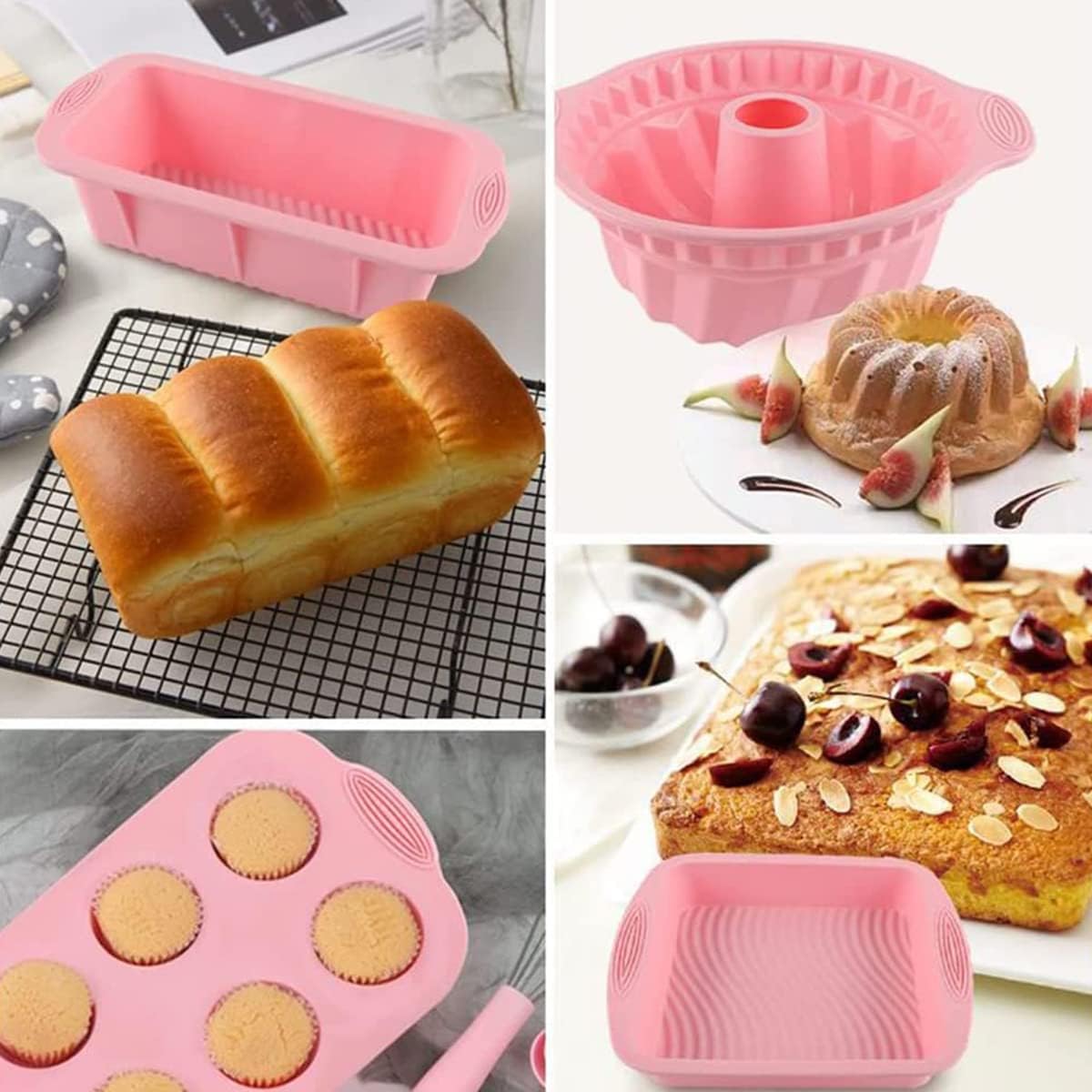
✅ Use a Baking Sheet
Place the silicone pan on a rigid tray to prevent bending and ensure even heat distribution.
✅ Adjust Baking Time
Silicone pans may require 5–10 extra minutes in the oven. Check doneness with a toothpick.
✅ Avoid Pre-Greasing
Skip the oil or spray—silicone’s non-stick properties work best when the pan is clean and dry.
✅ Cool Completely
Let the cake cool in the pan for 15 minutes before removing. Silicone retains heat longer than metal.
✅ Choose Oven-Safe Brands
Stick to reputable brands like Kangde silicone that use 100% food-grade silicone.
❓ Silicone vs. Metal vs. Glass: Which Is Best?
Metal Pans: Ideal for browning, crisp edges, and structured batters.
Glass Pans: Retain heat well but may require longer baking times.
Silicone Pans: Best for sticky batters, intricate designs, and easy cleanup.
❓ Are Silicone Pans Safe?
Food-grade silicone is non-toxic and free of BPA, PFAS, and phthalates. Look for FDA or LFGB certifications. Avoid overheating (above 450°F/232°C) to prevent degradation.
Final Verdict
Silicone cake pans are excellent for delicate recipes, sticky batters, and hassle-free cleanup. While they may not replace metal pans entirely, they’re a versatile addition to any baker’s toolkit. For best results, pair them with quality recipes and proper techniques.
Pro Tip: Test silicone pans with simple recipes first (like muffins or quick breads) before tackling elaborate cakes.


